The Menendez Brothers Case: The Shocking True Story of the Beverly Hills Murders, Alleged Abuse, and the Ongoing Fight for Freedom
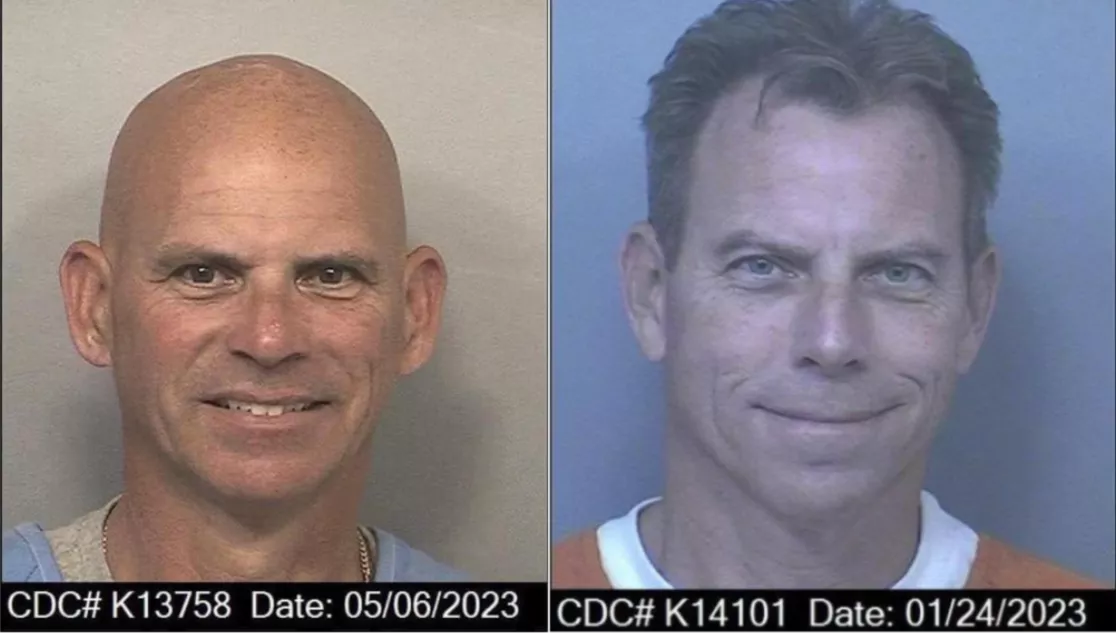
On August 20, 1989, a brutal double homicide inside a luxury Beverly Hills mansion shocked America and gave birth to one of the most sensational legal dramas in modern history. Joseph Lyle Menendez, then 21, and Erik Galen Menendez, then 18, shot and killed their wealthy parents, José and Mary Louise "Kitty" Menendez, with 12-gauge shotguns. What initially appeared to be a professional execution or mafia hit unraveled into a harrowing tale of extreme wealth, dysfunctional family dynamics, and allegations of horrific, long-term sexual and physical abuse. After decades behind bars, new evidence, cultural shifts, and a 2025 resentencing have brought the brothers within reach of a potential release.
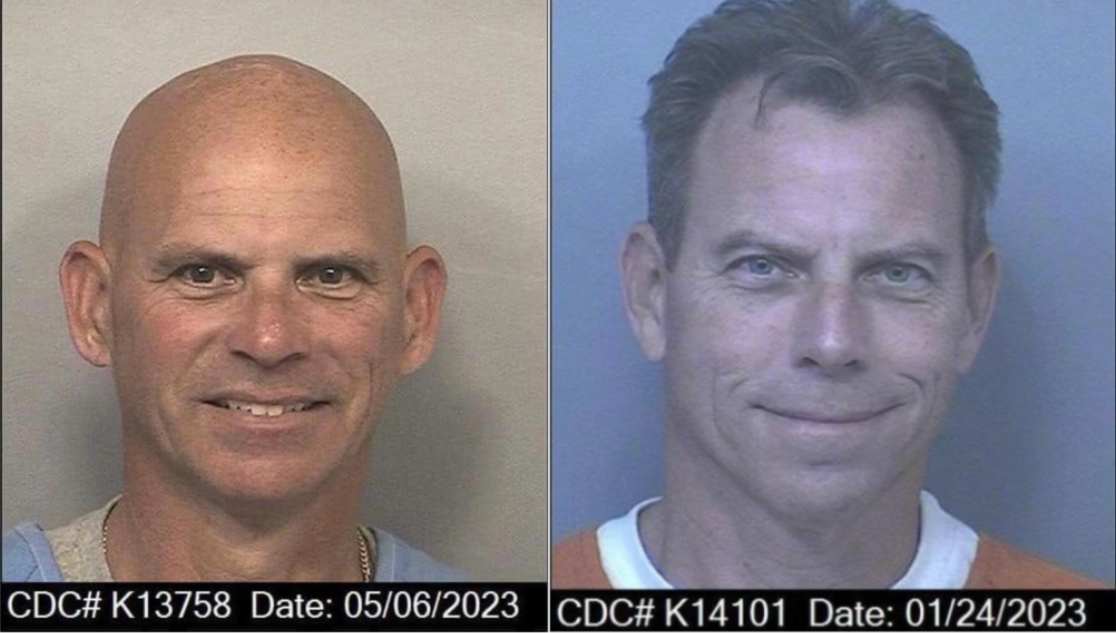
The Menendez Family: Wealth, Power, and a Shadowed Household
The Menendez family embodied the quintessential American Dream mixed with corporate ambition. José Menendez, born in Havana, Cuba, in 1944, immigrated to the United States as a teenager and forged a ruthless, highly successful path in the corporate world. He climbed the executive ranks at RCA Records and later served as the chief operating officer of LIVE Entertainment, a major film and home-video distribution company. His corporate success afforded the family immense wealth, elite private schools, luxury vehicles, and a sprawling mansion at 722 North Elm Drive in Beverly Hills.
Behind closed doors, however, José was widely described as intensely demanding, controlling, and fiercely obsessive about perfection. Mary Louise "Kitty" Andersen, born in 1941, married José in 1963 and raised their two sons, Lyle (born 1968, who attended Princeton University) and Erik (born 1970, a talented tennis player bound for UCLA). While outsiders saw a privileged, golden family, the brothers would later testify that their home was a psychological and physical chamber of horrors governed by an authoritarian father and a mother whom the brothers later accused of knowing about the abuse while failing to protect them.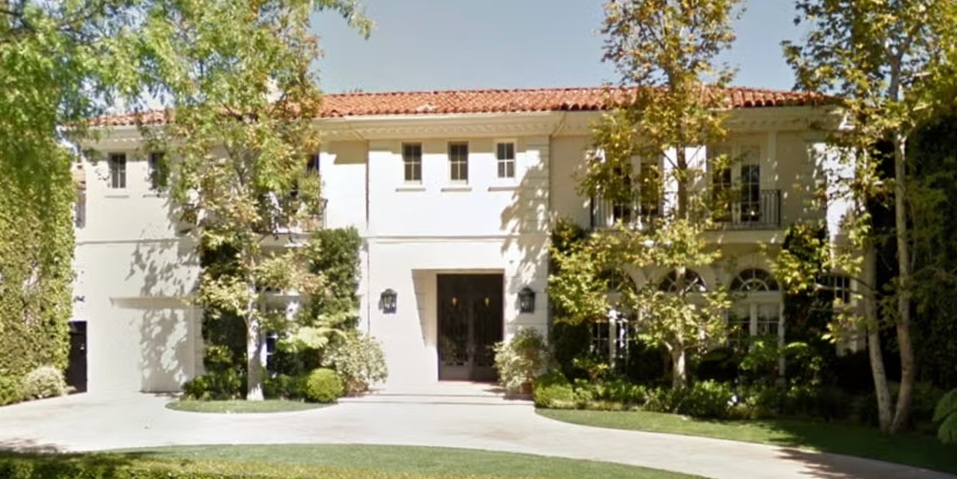
The Murders, 911 Call, and the Confession to Dr. Oziel
On Sunday, August 20, 1989, between 10:20 and 10:30 p.m., Lyle and Erik entered the den of their Beverly Hills mansion armed with Mossberg 12-gauge shotguns loaded with buckshot. José Menendez was ambushed and shot in the back of the head, dying instantly. Kitty Menendez, attempting to flee, was shot multiple times at close range. The attack was devastatingly violent—yielding at least 12 shotgun blasts—that investigators initially suspected a professional mafia hit or a settling of corporate scores.
After the murders, the brothers left the house and later returned. At 11:47 p.m., Lyle made a frantic 911 call reporting that someone had shot and killed his parents, appearing hysterical and claiming he had just arrived home and discovered the bodies. The brothers subsequently told investigators that they had spent the evening at a restaurant, attended a movie, and visited a food festival. However, prosecutors later questioned this account; earlier that afternoon, Lyle had contacted his friend Perry Berman to arrange a meeting after their supposed movie outing, which prosecutors argued was intended to establish a false alibi.
The Confession to Dr. Oziel
The case began to unravel in October 1989, when Erik Menendez contacted his psychotherapist, Dr. L. Jerome Oziel, requesting an urgent appointment. On October 31, Erik confessed to his involvement in the murders of his parents during a meeting with Oziel. When Lyle subsequently learned that his younger brother had revealed their involvement, he confronted Erik and reacted angrily.
During a subsequent meeting on November 2, both brothers reportedly discussed the circumstances and motivations behind the killings. Oziel documented these conversations, and recordings containing his notes and a later therapy session became important pieces of evidence in the investigation.
Oziel's then-girlfriend, Judalon Smyth, had become aware of the confessions. Following the breakdown of their relationship, she contacted the police in March 1990 and disclosed what she knew. On March 8, 1990, Lyle Menendez was arrested. Erik, who was returning from a tennis tournament in Israel, was arrested at Los Angeles International Airport on March 11, 1990.
The Dual Trials: Greed vs. Severe Abuse (1993–1996)
The legal battle unfolded across two distinct judicial phases:
- The First Trial (1993–1994): Fully televised on Court TV, captivating millions globally. The brothers testified in gut-wrenching, graphic detail about enduring severe physical, emotional, and sexual abuse by their father since early childhood, claiming they pulled the triggers out of an absolute, terror-induced belief that their parents were about to murder them to silence their secrets. The juries deadlocked, resulting in a mistrial.
- The Second Trial (1995–1996): Televised cameras were banned from the courtroom. The presiding judge placed significant restrictions on certain abuse testimony and evidence, limiting the extensive psychological and sexual-abuse presentations that had dominated the first trial, though not barring them entirely. The prosecution successfully hammered home the narrative of cold-blooded, entitled greed. In March 1996, the jury convicted Lyle and Erik of first-degree murder and conspiracy, leading to mandatory sentences of life imprisonment without the possibility of parole.
The Netflix Effect and Global Resurgence (2024)
In September 2024, the case experienced a massive resurgence in international attention following the release of Ryan Murphy's Netflix drama series, Monsters: The Lyle and Erik Menendez Story, alongside the companion documentary The Menendez Brothers. While the dramatic series drew criticism from family members and the brothers themselves for sensationalism and inaccuracies, the documentary provided a platform for Erik and Lyle's own voices and recordings. This wave of popular culture revived public and legal debate over the proportionality of their original sentences, directly catalyzing renewed scrutiny from prosecutors.
Incarceration, Prison Life, and Modern Legal Breakthroughs (1996–2026)
For more than two decades following their 1996 sentencing, the brothers were held in separate correctional facilities in California. Despite their separation, both remained in contact with relatives and continued participating in educational and rehabilitation programmes.
In April 2018, Lyle was transferred to Richard J. Donovan Correctional Facility in San Diego County, where Erik was already incarcerated. Their emotional reunion marked the first time they had been housed in the same facility in more than twenty years. During their imprisonment, both brothers became involved in programmes aimed at supporting fellow inmates, including educational initiatives, rehabilitation activities, and hospice-related work. However, their prison records were not entirely without disciplinary issues, a fact that later became relevant during their parole hearings, specifically involving unauthorized mobile phone use.
A massive cultural reassessment—fueled by modern trauma awareness, Netflix projects, and fresh evidence—paved the way for unprecedented legal shifts:
- New Evidence (2023): Defense attorneys filed a habeas corpus petition featuring a 1988 letter written by Erik to his cousin Andy Cano detailing the abuse, alongside allegations from former Menudo pop band member Roy Rosselló, who claimed José Menendez had also sexually assaulted him as a teenager.
- Resentencing (May 2025): Following recommendations by the Los Angeles County District Attorney's office, Superior Court Judge Michael Jesic resentenced Lyle and Erik to 50 years to life. Because they were under 26 at the time of the crimes, California’s youthful offender laws instantly granted them parole eligibility.
- Current Status (November 2026): Despite their reduced sentences, neither brother has been released. In August 2025, both Lyle and Erik appeared before California's Board of Parole Hearings, where their applications were denied due to behavioral concerns, including unauthorized mobile phone use. In September 2025, a judge rejected their separate petition to overturn their murder convictions based on new evidence. However, their legal situation advanced when California authorities granted requests for earlier parole suitability hearings. According to NBC Los Angeles, Lyle's next hearing is tentatively scheduled for February 23, 2027, with Erik's hearing expected on February 24, 2027. Additionally, a petition for executive clemency submitted to California Governor Gavin Newsom (supported by former DA George Gascón) remains pending. As of November 10, 2026, both brothers remain incarcerated, serving their reduced sentences of 50 years to life.
Gerelateerde artikelen
- The Chris Watts Family Murders: The Disturbing True Story of the Annihilation of Shanann, Bella, and Celeste
- The Brutal Murder of Junko Furuta: The Gruesome 40-Day Nightmare That Changed Japanese Criminal Law Forever
- The Jeffrey Dahmer Dossier: A Comprehensive Overview of the Murders, Trial, and Institutional Failures