THE JEFFREY DAHMER DOSSIER: A COMPREHENSIVE OVERVIEW OF THE MURDERS, TRIAL, AND INSTITUTIONAL FAILURES
Between 1978 and 1991, American serial killer Jeffrey Lionel Dahmer confessed to murdering seventeen young men and teenage boys in Ohio and Wisconsin. The uncovering of his crimes on July 22, 1991, sent shockwaves through the United States, exposing not only unprecedented acts of violence but also critical systemic failures within law enforcement. This dossier details the established court findings, forensic analyses, and official investigations surrounding the case.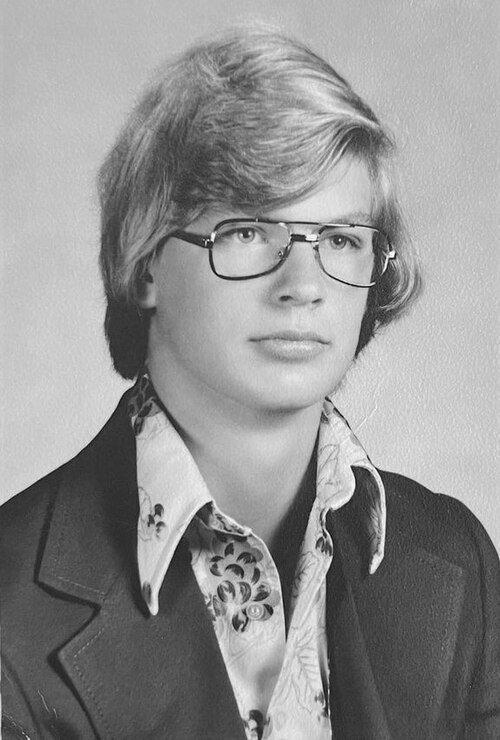
Background and Initial Offenses
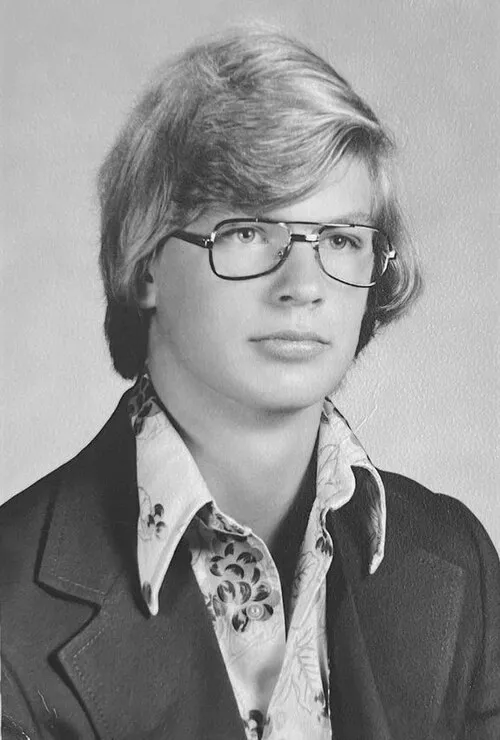
Jeffrey Dahmer was born on May 21, 1960, in Milwaukee, Wisconsin. He committed his first murder at age eighteen in June 1978, killing Steven Hicks at his parents' home in Bath Township, Ohio. Following a brief enrollment at Ohio State University and service in the United States Army in West Germany, Dahmer relocated to Milwaukee.
In 1988, Dahmer was convicted of sexual battery involving a 13-year-old boy in Milwaukee and received a prison sentence with work-release privileges followed by probation. The victim was the older brother of Konerak Sinthasomphone, a boy Dahmer would later murder in 1991. The lenient handling of Dahmer's 1988 conviction and probation supervision later drew severe public and legal criticism.
Chronological Record of the Seventeen Victims
Official court documents and FBI forensic registries identify seventeen victims linked to Dahmer:
| Victim Name | Age | Year & Case Notes |
|---|---|---|
| Steven Hicks | 18 | 1978 (Ohio); Dahmer's first victim; tried separately in Ohio. |
| Steven Tuomi | 24 | 1987; Confessed by Dahmer, uncharged due to unrecovered remains. |
| Jamie Doxtator | 14 | 1988 (Milwaukee). |
| Richard Guerrero | 25 | 1988 (Milwaukee). |
| Anthony Sears | 26 | 1989 (Milwaukee). |
| Raymond Smith (Ricky Beeks) | 33 | 1990 (Milwaukee). |
| Edward W. Smith | 28 | 1990 (Milwaukee). |
| Ernest Miller | 22 | 1990 (Milwaukee). |
| David C. Thomas | 23 | 1990; Identified in part via photographic evidence. |
| Curtis Straughter | 18 | 1991 (Milwaukee). |
| Errol Lindsey | 19 | 1991 (Milwaukee). |
| Anthony "Tony" Hughes | 31 | 1991; Deaf victim who communicated via written notes. |
| Konerak Sinthasomphone | 14 | 1991; Returned to Dahmer by police hours before his death. |
| Matt Turner (Donald Montrell) | 20 | 1991 (Milwaukee). |
| Jeremiah Weinberger | 23 | 1991 (Milwaukee). |
| Oliver Lacy | 23 | 1991 (Milwaukee). |
| Joseph Bradehoft | 25 | July 1991; Final victim. |
Modus Operandi and Forensic Investigation
Dahmer targeted young men primarily in bars, bus depots, and shopping centers, offering them money for modeling photos or drinks to lure them to his apartment. Once inside, he administered sedatives into their beverages before incapacitating and strangling them.
Following the murders, Dahmer engaged in dismemberment, necrophilia, and efforts to destroy physical evidence using chemicals and equipment. The FBI Laboratory assisted local authorities with complex DNA, chemical, tool-mark, and biological evidence evaluations to identify remains and establish physical links.
The Konerak Sinthasomphone Incident and Police Misconduct
On May 27, 1991, 14-year-old Konerak Sinthasomphone escaped from Dahmer's apartment into the street, naked, drugged, and bleeding. Local bystanders called emergency services and tried to protect the boy. However, when Milwaukee police officers arrived, Dahmer convinced them that Sinthasomphone was his 19-year-old adult domestic partner experiencing an alcoholic dispute.
Despite warnings from bystanders and the youth's obvious incapacity, officers escorted the boy back into Dahmer's apartment and left. Dahmer murdered Sinthasomphone shortly after the officers departed. The incident triggered massive civil rights investigations and civil lawsuits against the city and officers involved.
Discovery, Arrest, and Trial
Dahmer's crime spree ended on July 22, 1991, when Tracy Edwards escaped from Apartment 213 at the Oxford Apartments with a pair of handcuffs dangling from his wrist. Edwards flagged down police officers, leading them back to the unit. Upon inspection, officers discovered photographic evidence of dismemberment and human remains belonging to eleven victims.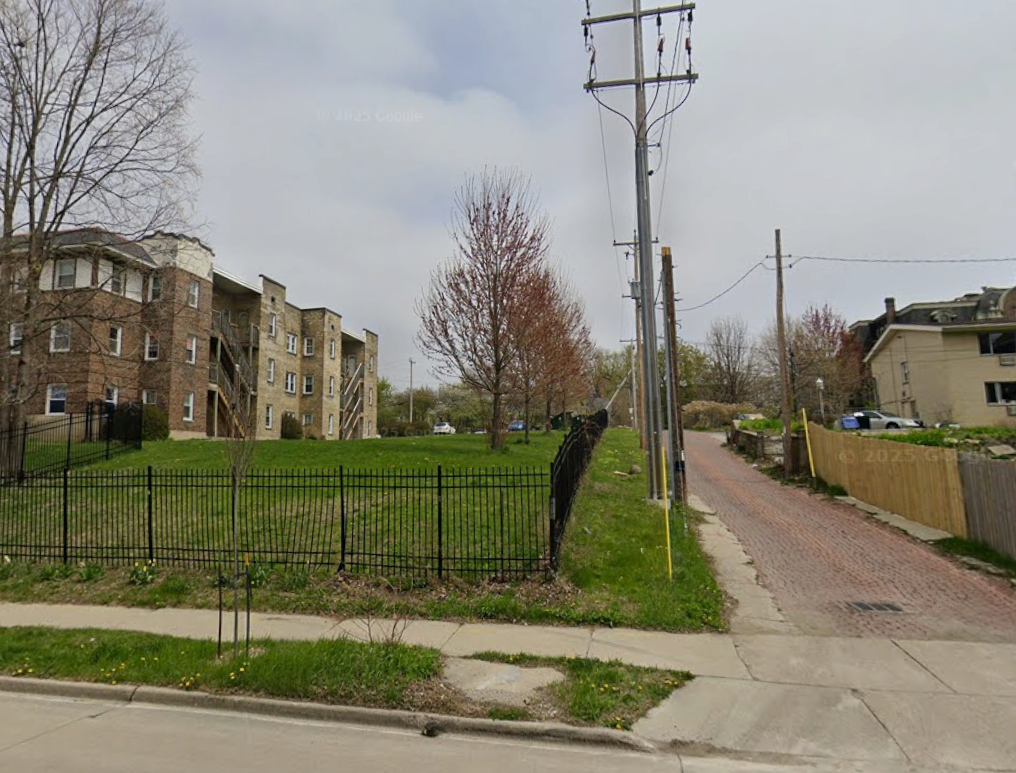
In January 1992, Dahmer pleaded guilty but insane to fifteen counts of murder in Wisconsin. On February 15, 1992, the jury found that Dahmer was legally sane at the time of the offenses. He was sentenced to fifteen consecutive life terms in Wisconsin, followed by a sixteenth life sentence in Ohio for the murder of Steven Hicks.
Prison Death and Societal Legacy
On November 28, 1994, while serving his sentence at the Columbia Correctional Institution in Portage, Wisconsin, Dahmer was bludgeoned to death by fellow inmate Christopher Scarver.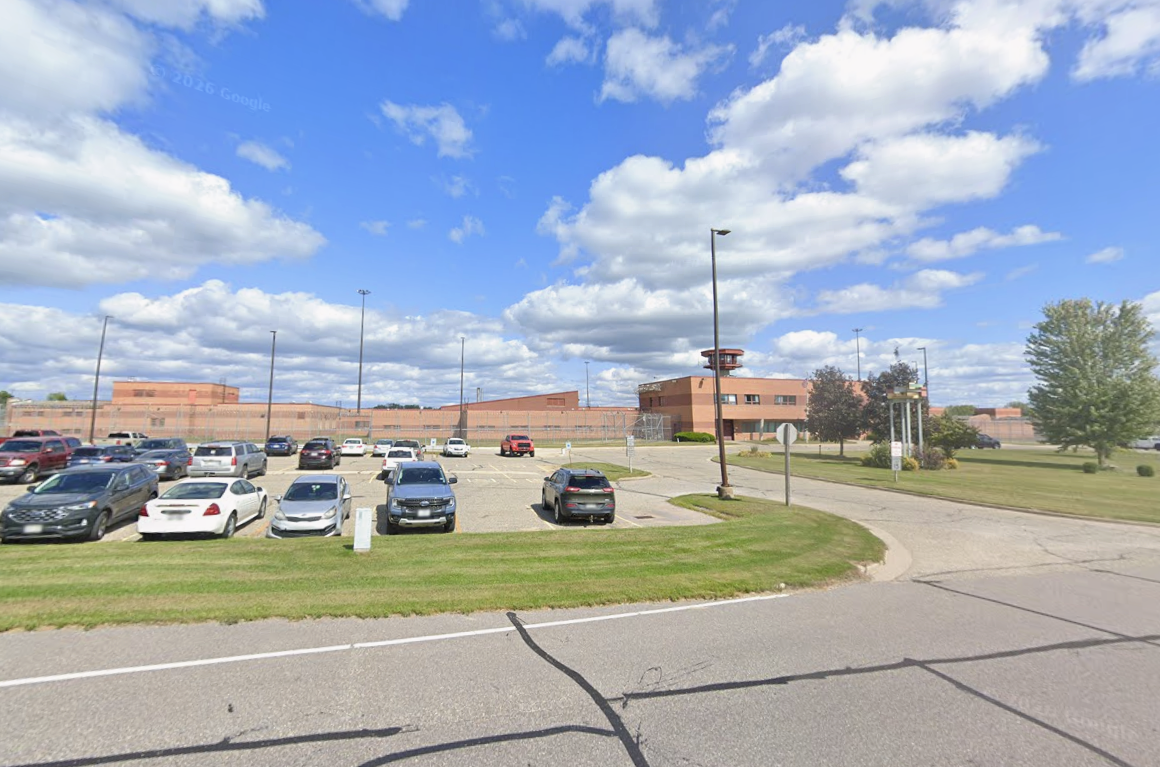
The Dahmer case remains a critical case study in American legal and police history, highlighting severe issues regarding institutional bias, systemic neglect of marginalized communities, and the legal parameters surrounding mental sanity in criminal trials.
Key Summary: The Jeffrey Dahmer Case
- Offender: Jeffrey Lionel Dahmer (May 21, 1960 – November 28, 1994)
- Victims: 17 young men and teenage boys (1978–1991)
- Primary Location: Milwaukee, Wisconsin (Apartment 213, Oxford Apartments)
- Arrest Date: July 22, 1991 (following escape of Tracy Edwards)
- Legal Outcome: Convicted of 16 murders; sentenced to 16 consecutive life terms
- Sanity Ruling: Jury determined offender was legally sane at time of crimes
- Manner of Death: Killed in prison by inmate Christopher Scarver on November 28, 1994
- Primary Sources: FBI Records, Wisconsin Circuit Court, U.S. Commission on Civil Rights