
Elisa Lam Case: Autopsy, Elevator Video & The Full Story Behind Her Death at the Cecil Hotel
Dossier - Investigative True Crime / United States Elisa Lam Case: Autopsy, Elevator Video & The Full Story Behind Her Death at the Cecil Hotel Published by: TrueCrimeSpot Editorial Desk | Date: November 14, 2026 | Sources: LA County Coroner Report (Case No. 2013-01364), LAPD & Civil Court Records In February 2013, 21-year-old Canadian student Elisa Lam was found dead inside a rooftop water storage tank at the Cecil Hotel in Downtown Los Angeles, nineteen days after disappearing during a solo trip through California. Preceded by four minutes of unsettling elevator surveillance footage that spread rapidly across the internet, the case ignited years of murder theories, paranormal speculation, and amateur online sleuthing. The official conclusion was accidental drowning, with bipolar disorder listed as a significant contributing condition. Although investigators considered the possibility that inconsistent medication use had affected her mental state, the precise circumstances leading to her death were never conclusively established. Few modern cases demonstrate the tension between documented forensic findings and viral internet speculation as clearly as the Elisa Lam case. Telling her story responsibly requires separating verified medical and legal records from theories and unconfirmed online claims. There is no established evidence that Elisa Lam was murdered, that another person was involved in her death, or that paranormal forces played any role. What remains is a deeply human tragedy marked by genuine unanswered questions about her final hours. Who Was Elisa Lam? Born on April 30, 1991, in Canada to David and Yinna Lam—immigrants from Hong Kong who had settled in British Columbia—Elisa Lam (also known by her Cantonese name, Lam Ho-yi) was 21 years old at the time of her death. She grew up in the Vancouver area, spoke both English and Cantonese, and was an undergraduate student at the University of British Columbia (UBC). Notably, contemporary records list slightly different physical measurements: LAPD missing-person notices described her as 5 feet 4 inches tall and weighing approximately 115 pounds, whereas the Los Angeles County Coroner's autopsy report recorded her height at 5 feet 6 inches and weight at 121 pounds. Online, Lam maintained personal blogs on Blogspot and Tumblr (under the handle nouvelle-nouveau), sharing photographs, fashion inspiration, book recommendations, travel notes, and candid reflections on her emotional life. Alongside her curiosity about culture and travel, she wrote openly about periods of isolation and her ongoing struggles with mental health. Medical records reviewed during the coroner's investigation documented a history of depression and bipolar disorder—a condition that can cause severe fluctuations in mood, energy, perception, and behavior. According to the autopsy file, Lam had been prescribed four psychiatric medications in January 2013: Venlafaxine XR (75 mg and 150 mg prescriptions), Wellbutrin XL (bupropion, 300 mg), Lamotrigine (100 mg), and Quetiapine (25 mg tablets). Her family informed investigators that she had no known history of suicide attempts and had not expressed suicidal intentions. The Cecil Hotel's History and Transformation In January 2013, Lam embarked on an independent "West Coast Tour" of California, traveling by Amtrak trains and intercity buses. After visiting San Diego—including the San Diego Zoo—she arrived in Los Angeles on January 26, 2013, with plans to continue north to Santa Cruz. In Los Angeles, she checked into 640 South Main Street, the address of the historic Cecil Hotel. Constructed in the 1920s and opened around 1924–1925 with roughly 600 to 700 rooms, the Beaux-Arts building was originally designed as an upscale stopover for business travelers and tourists. Over the subsequent decades, however, Downtown Los Angeles underwent severe economic decline, and the surrounding Skid Row district became closely associated with poverty, homelessness, substance abuse, and street crime. As the neighborhood changed, the Cecil deteriorated into a low-cost transient hotel with a grim reputation for suicides, fatal overdoses, and violent deaths. The hotel's dark lore was amplified by its past associations with notorious criminals: serial killer Richard Ramirez ("The Night Stalker") reportedly stayed on the 14th floor during his 1985 murder spree, and Austrian serial killer Jack Unterweger lodged there in 1991 while murdering sex workers in Los Angeles. By 2013, the property's operators had attempted to rebrand part of the building to attract younger international backpackers, splitting it into two concepts: the traditional Cecil Hotel floors and "Stay on Main," a budget boutique hostel occupying lower floors with a separate lobby entrance. Lam booked into Stay on Main. Four years after her death, in 2017, the City of Los Angeles designated the building a Historic-Cultural Monument due to its early 20th-century architectural significance—though no credible evidence ever linked the hotel's prior criminal history to Lam's death. The Last Bookstore: Her Final Known Outing When Lam first checked in on January 26, she was assigned to a shared female hostel room on the fifth floor. Between January 29 and January 30, however, her roommates complained to hotel management about unusual behavior, reportedly involving cryptic notes left on their beds and being locked out of the room. Hotel manager Amy Price subsequently moved Lam into a private single room on the same floor. On January 31, 2013—the day she was scheduled to check out and travel toward Santa Cruz—Lam's daily phone calls to her parents in Vancouver abruptly stopped. Yet accounts from that afternoon offer a poignant human contrast to the unsettling surveillance video that would soon define her case. Staff at The Last Bookstore, an iconic independent bookshop located just a few blocks from the Cecil Hotel in Downtown LA, later recalled Lam visiting the store that afternoon. According to bookstore accounts, she appeared pleasant, talkative, and upbeat while browsing the shelves and purchasing books and gifts to bring home to her family—only to note that the books might be too heavy to carry on the remainder of her trip. After returning to the hotel, Lam was never seen alive outside the building again. When her parents failed to hear from her, a missing-person report was filed on February 4, and the LAPD issued a public appeal on February 6. Inside her fifth-floor room, investigators found her luggage, identification, and personal belongings left behind. The Viral Elisa Lam Elevator Video On February 13, 2013, hoping someone might recognize Lam or come forward with tips, the LAPD released roughly four minutes of surveillance footage captured inside a 14th-floor hotel elevator (dated to the early morning hours of February 1 in the coroner's investigative report). The clip went viral globally within days, garnering more than three million views and 40,000 comments on the Chinese platform Youku alone. What the Footage Shows vs. Online Claims In the recording, Lam enters the elevator alone, presses multiple floor buttons, steps back, and waits. When the doors remain open, she peers cautiously into the hallway, steps back into the corner of the cab, steps out into the corridor while making fluid, unusual arm and hand gestures, and eventually walks out of camera range before the doors close. No other person appears on screen. While various commentators have suggested that Lam may have inadvertently triggered a door-hold button on the control panel, the exact mechanical reason the elevator remained stationary has never been definitively established in public records. Similarly, the video's visual presentation sparked intense debate: The released surveillance footage became the subject of intense online scrutiny. Viewers questioned the blurred timestamp, apparent changes in playback speed and an approximately 54-second discrepancy that they believed existed between the original recording and the publicly circulated version. However, claims that these alterations concealed a suspect or deliberately obscured evidence have never been substantiated. The precise technical explanation for every aspect of the edited footage should not be presented as established fact without supporting documentation.Source: Wikimedia Commons – Public Domain (U.S. Government / LAPD surveillance footage). Discovery in the Rooftop Water Tank & Water Supply Impact For more than two weeks following the elevator recording, guests at the Cecil Hotel continued using the building's tap water for showering, washing, and brushing their teeth. By mid-February, however, multiple guests complained to hotel staff about abnormally low water pressure, black or discolored water flowing from faucets, and a strange sweet or metallic taste. Around 10:00 AM on Tuesday, February 19, 2013, hotel maintenance worker Santiago Lopez went to the roof to inspect the building's four large cylindrical water storage tanks, each holding roughly 1,000 gallons. Climbing a fixed ladder to check the northeastern cistern—which was approximately half to three-quarters full—Lopez saw that the top metal hatch was open and discovered a human body floating face-up inside. Los Angeles Fire Department personnel responded to the roof and pronounced Elisa Lam dead at approximately 10:22 AM. The discovery prompted immediate public health concerns and civil litigation from former guests Steven and Gloria Cott, who filed a class-action complaint in February 2013 alleging the hotel failed to provide safe water for human use. While guest complaints regarding water discoloration, taste, and odor were widely documented, public health records did not independently establish specific medical illnesses caused by the water supply. Rooftop Access & The Water Tank: Theories vs. Documented Facts How Lam reached the roof and entered an elevated 1,000-gallon cistern became the central logistical puzzle of the investigation. Early media reports erroneously claimed the tank hatch was locked and too heavy for one person to move. Subsequent court testimony and the Coroner's report clarified several distinct facts—while leaving the exact route unproven: Restricted main roof access: The interior stairwell door leading to the roof was locked and equipped with an alarm system. During later civil proceedings, hotel staff and the chief engineer testified that the alarm had not sounded during Lam's stay—and that had it been triggered, employees at the front desk and on the 14th and 15th floors would likely have heard it. Presence of external fire escapes: In addition to the main stairwell door, the building had three external fire escapes providing alternative physical routes to the roof without passing through the alarmed interior door. Reported K-9 scent dog findings: Media and investigative accounts reported that police scent dogs tracked Lam's trail on the fifth floor toward a window leading to an exterior fire escape before losing her scent. (It should be noted that the public LA County Coroner's autopsy report itself does not confirm the existence of three fire escapes or document the full K-9 search path.) The fire escape theory: Based on these elements, investigators and commentators theorized that Lam may have accessed the roof via an external fire escape—however, this remains a plausible theory rather than a conclusively proven reconstruction. An unsecured hatch: Once on the roof, a fixed ladder roughly 10 feet high led to the top of the northeastern tank platform. Both the Coroner's investigative narrative and Santiago Lopez's testimony confirmed that the tank's metal hatch was not locked, weighed roughly 20 pounds, and was resting open when her body was found. Once inside a tank that was only half to three-quarters full, the top rim would have been out of reach from the water, preventing escape. Elisa Lam Autopsy, Toxicology & The Medication Question The Los Angeles County Department of Coroner conducted an autopsy on February 21, 2013, and released its official report in June 2013 (Case No. 2013-01364). Lam's body showed moderate decomposition consistent with roughly nineteen days in water. She was found naked, with her clothing—a red hooded sweatshirt, a green shirt, black shorts, black underwear, and black sandals—along with her watch and hotel room key card recovered from inside the same tank. The reason Elisa's clothing was found alongside her body remains unknown. One possible explanation discussed in relation to drowning and hypothermia is paradoxical undressing, a phenomenon in which a person experiencing severe cold may remove clothing. However, the autopsy did not establish that this occurred in Elisa's case, and investigators never conclusively determined why she was found without her clothes. During the post-mortem examination, pathologists documented no external or internal traumatic injuries indicative of physical assault, and forensic sexual assault evidence kits were collected as part of standard investigative protocol. Toxicology testing was negative for illicit drugs, including cocaine, fentanyl, methamphetamine, MDMA, opiates, PCP, and barbiturates. Regarding alcohol, ethanol tested negative in heart blood, while a trace level of 0.02 g% ethanol was detected in bile (a finding frequently consistent with post-mortem decomposition rather than antemortem intoxication). Over-the-counter cold remedies (Sinutab and ibuprofen) were also detected. The medication findings were nuanced: blood and liver tissue analyses detected bupropion metabolites and venlafaxine, as well as lamotrigine in liver tissue, though insufficient blood volume prevented reliable quantification of several substances, and quetiapine was not detected in the tested blood sample. While lead investigator Detective Wallace Tennelle testified in later civil proceedings that pill counts from the bottles in Lam's room suggested she may not have been taking all her prescribed doses regularly, pill counts alone do not provide conclusive proof of medication non-adherence. On June 20, 2013, the Coroner officially ruled the cause of death drowning, the manner of death accidental, and listed bipolar disorder as another significant condition. Her Family's Perspective: Search, Grief & Legal Battle Amid the global media frenzy surrounding the surveillance video, the quiet devastation experienced by Elisa's parents, David and Yinna Lam—who operated Paul's Restaurant in Burnaby, British Columbia—was often overshadowed. Throughout Elisa's trip, her daily check-ins had been a source of reassurance for her family. When those calls stopped on January 31, her parents immediately recognized that something was wrong, flying to Los Angeles within days to assist police and appeal for information about their daughter. In September 2013, David and Yinna Lam filed a wrongful-death lawsuit against the Cecil Hotel, arguing that management had acted negligently by failing to adequately restrict access to rooftop hazards and failing to lock the water tank hatches. During the litigation, maintenance worker Santiago Lopez testified regarding his discovery of the body and confirmed he had not heard the rooftop alarm sound during Lam's stay. On December 14, 2015, Los Angeles Superior Court Judge Howard Halm dismissed the lawsuit. Judge Halm ruled that the hotel had met reasonable safety standards for areas off-limits to guests and could not reasonably have foreseen that a guest would access the roof, climb a 10-foot tank ladder, lift a 20-pound hatch, and enter a water storage cistern. While the ruling closed the legal question of civil liability, it underscored how difficult it was for her family to reconcile the official accident ruling with the lack of a complete step-by-step explanation. Online Sleuths, Pablo Vergara & Cultural Aftermath In the years following 2013, the Elisa Lam case became a defining cautionary tale of internet true-crime culture. Online theorists pointed to coincidences with the 2005 horror film Dark Water (in which a young girl drowns in an apartment rooftop water tank), the Korean "Elevator Game" urban legend, a concurrent Skid Row tuberculosis outbreak whose diagnostic test happened to be named LAM-ELISA, and new posts appearing on Lam's Tumblr blog months after her death—a phenomenon widely noted by commentators familiar with Tumblr as consistent with the platform's automated "Queue" scheduling feature, though never verified through an official law enforcement technical audit. The real-world harm of unchecked armchair detective work fell heavily on Mexican death-metal musician and filmmaker Pablo Vergara (known online as Morbid). Because Vergara had stayed at the Cecil Hotel a year earlier and posted dark music videos on YouTube, online sleuths falsely accused him of murdering Lam. Despite documented evidence showing he was in Mexico at the time of Lam's disappearance and death—and despite authorities clearing him of any involvement—Vergara was subjected to severe doxxing, relentless online harassment, and death threats. In popular culture, the Cecil Hotel's dark reputation and elements reminiscent of the case helped inspire the setting and themes of the fifth season of American Horror Story: Hotel (2015), though the series was not a direct adaptation of Lam's life. In February 2021, director Joe Berlinger revisited the case in the four-part Netflix docuseries Crime Scene: The Vanishing at the Cecil Hotel. While the series examined how online communities constructed elaborate conspiracy narratives around the case, some critics—including the Los Angeles Times—noted that the documentary devoted heavy attention to the hotel's sensational mythology at the expense of keeping Elisa herself at the center of the story. Fact-Check Summary: Documented Findings vs. Unproven Theories Case Element What Is Officially Established vs. Unverified Cause & Manner of Death Officially ruled accidental drowning; bipolar disorder listed as a significant contributing condition. Physical Trauma & Foul Play Autopsy found no external or internal traumatic injuries; forensic kits were collected; no foul play established. Toxicology & Medication Negative for illicit drugs and heart-blood ethanol (0.02 g% ethanol in bile); prescribed psychiatric meds & OTC cold medicine detected. Pill counts do not conclusively prove non-adherence. Elevator Video & Edits Shows erratic movements, but no second person; claims of a cover-up via blurred timestamps or missing seconds remain unsubstantiated. Rooftop & Tank Entry Tank hatch was unsecured and ~20 lbs; access via an exterior fire escape is a leading theory rather than a conclusively proven route. Clothing in the Tank Found naked with clothes in the water; paradoxical undressing is a discussed hypothesis, not an established autopsy finding. Ultimately, recognizing the difference between a confirmed cause of death and a complete step-by-step reconstruction is essential to understanding the Elisa Lam case. While investigators established that she drowned accidentally without third-party involvement, the exact sequence of thoughts and actions that led her from a 14th-floor elevator onto the roof of the Cecil Hotel remains unknown. Beyond the viral footage and internet theories, Elisa Lam deserves to be remembered as a thoughtful, curious 21-year-old student whose life ended far too soon. Gerelateerde artikelenThe Menendez Brothers Case: The Shocking True Story of the Beverly Hills Murders, Alleged Abuse, and the Ongoing Fight for FreedomThe Chris Watts Family Murders: The Disturbing True Story of the Annihilation of Shanann, Bella, and CelesteThe Zodiac Killer: The Unsolved Mystery of America's Most Infamous Serial Killer
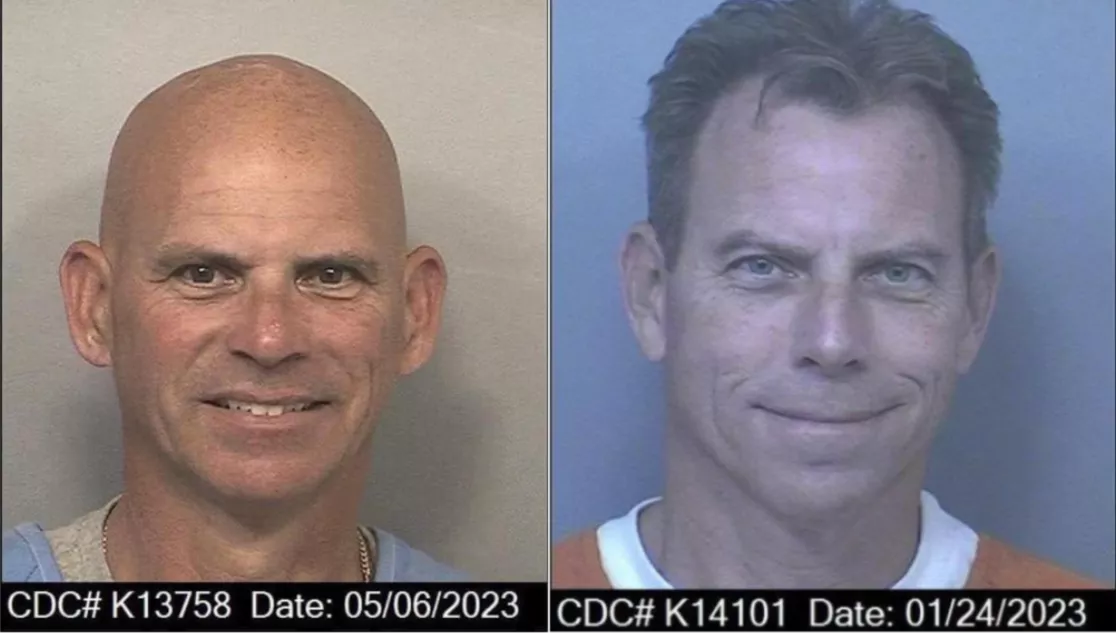
The Menendez Brothers Case: The Shocking True Story of the Beverly Hills Murders, Alleged Abuse, and the Ongoing Fight for Freedom
Dossier - International Crime / United States The Menendez Brothers Case: The Shocking True Story of the Beverly Hills Murders, Alleged Abuse, and the Ongoing Fight for Freedom Publication: Editorial Team – Moordplekken | Date: November 10, 2026 | Source: California Court of Appeal / Los Angeles County District Attorney On August 20, 1989, a brutal double homicide inside a luxury Beverly Hills mansion shocked America and gave birth to one of the most sensational legal dramas in modern history. Joseph Lyle Menendez, then 21, and Erik Galen Menendez, then 18, shot and killed their wealthy parents, José and Mary Louise "Kitty" Menendez, with 12-gauge shotguns. What initially appeared to be a professional execution or mafia hit unraveled into a harrowing tale of extreme wealth, dysfunctional family dynamics, and allegations of horrific, long-term sexual and physical abuse. After decades behind bars, new evidence, cultural shifts, and a 2025 resentencing have brought the brothers within reach of a potential release. The Menendez Family: Wealth, Power, and a Shadowed Household The Menendez family embodied the quintessential American Dream mixed with corporate ambition. José Menendez, born in Havana, Cuba, in 1944, immigrated to the United States as a teenager and forged a ruthless, highly successful path in the corporate world. He climbed the executive ranks at RCA Records and later served as the chief operating officer of LIVE Entertainment, a major film and home-video distribution company. His corporate success afforded the family immense wealth, elite private schools, luxury vehicles, and a sprawling mansion at 722 North Elm Drive in Beverly Hills. Behind closed doors, however, José was widely described as intensely demanding, controlling, and fiercely obsessive about perfection. Mary Louise "Kitty" Andersen, born in 1941, married José in 1963 and raised their two sons, Lyle (born 1968, who attended Princeton University) and Erik (born 1970, a talented tennis player bound for UCLA). While outsiders saw a privileged, golden family, the brothers would later testify that their home was a psychological and physical chamber of horrors governed by an authoritarian father and a mother whom the brothers later accused of knowing about the abuse while failing to protect them. The Murders, 911 Call, and the Confession to Dr. Oziel On Sunday, August 20, 1989, between 10:20 and 10:30 p.m., Lyle and Erik entered the den of their Beverly Hills mansion armed with Mossberg 12-gauge shotguns loaded with buckshot. José Menendez was ambushed and shot in the back of the head, dying instantly. Kitty Menendez, attempting to flee, was shot multiple times at close range. The attack was devastatingly violent—yielding at least 12 shotgun blasts—that investigators initially suspected a professional mafia hit or a settling of corporate scores. After the murders, the brothers left the house and later returned. At 11:47 p.m., Lyle made a frantic 911 call reporting that someone had shot and killed his parents, appearing hysterical and claiming he had just arrived home and discovered the bodies. The brothers subsequently told investigators that they had spent the evening at a restaurant, attended a movie, and visited a food festival. However, prosecutors later questioned this account; earlier that afternoon, Lyle had contacted his friend Perry Berman to arrange a meeting after their supposed movie outing, which prosecutors argued was intended to establish a false alibi. The Confession to Dr. Oziel The case began to unravel in October 1989, when Erik Menendez contacted his psychotherapist, Dr. L. Jerome Oziel, requesting an urgent appointment. On October 31, Erik confessed to his involvement in the murders of his parents during a meeting with Oziel. When Lyle subsequently learned that his younger brother had revealed their involvement, he confronted Erik and reacted angrily. During a subsequent meeting on November 2, both brothers reportedly discussed the circumstances and motivations behind the killings. Oziel documented these conversations, and recordings containing his notes and a later therapy session became important pieces of evidence in the investigation. Oziel's then-girlfriend, Judalon Smyth, had become aware of the confessions. Following the breakdown of their relationship, she contacted the police in March 1990 and disclosed what she knew. On March 8, 1990, Lyle Menendez was arrested. Erik, who was returning from a tennis tournament in Israel, was arrested at Los Angeles International Airport on March 11, 1990. The Dual Trials: Greed vs. Severe Abuse (1993–1996) The legal battle unfolded across two distinct judicial phases: The First Trial (1993–1994): Fully televised on Court TV, captivating millions globally. The brothers testified in gut-wrenching, graphic detail about enduring severe physical, emotional, and sexual abuse by their father since early childhood, claiming they pulled the triggers out of an absolute, terror-induced belief that their parents were about to murder them to silence their secrets. The juries deadlocked, resulting in a mistrial. The Second Trial (1995–1996): Televised cameras were banned from the courtroom. The presiding judge placed significant restrictions on certain abuse testimony and evidence, limiting the extensive psychological and sexual-abuse presentations that had dominated the first trial, though not barring them entirely. The prosecution successfully hammered home the narrative of cold-blooded, entitled greed. In March 1996, the jury convicted Lyle and Erik of first-degree murder and conspiracy, leading to mandatory sentences of life imprisonment without the possibility of parole. The Netflix Effect and Global Resurgence (2024) In September 2024, the case experienced a massive resurgence in international attention following the release of Ryan Murphy's Netflix drama series, Monsters: The Lyle and Erik Menendez Story, alongside the companion documentary The Menendez Brothers. While the dramatic series drew criticism from family members and the brothers themselves for sensationalism and inaccuracies, the documentary provided a platform for Erik and Lyle's own voices and recordings. This wave of popular culture revived public and legal debate over the proportionality of their original sentences, directly catalyzing renewed scrutiny from prosecutors. Incarceration, Prison Life, and Modern Legal Breakthroughs (1996–2026) For more than two decades following their 1996 sentencing, the brothers were held in separate correctional facilities in California. Despite their separation, both remained in contact with relatives and continued participating in educational and rehabilitation programmes. In April 2018, Lyle was transferred to Richard J. Donovan Correctional Facility in San Diego County, where Erik was already incarcerated. Their emotional reunion marked the first time they had been housed in the same facility in more than twenty years. During their imprisonment, both brothers became involved in programmes aimed at supporting fellow inmates, including educational initiatives, rehabilitation activities, and hospice-related work. However, their prison records were not entirely without disciplinary issues, a fact that later became relevant during their parole hearings, specifically involving unauthorized mobile phone use. A massive cultural reassessment—fueled by modern trauma awareness, Netflix projects, and fresh evidence—paved the way for unprecedented legal shifts: New Evidence (2023): Defense attorneys filed a habeas corpus petition featuring a 1988 letter written by Erik to his cousin Andy Cano detailing the abuse, alongside allegations from former Menudo pop band member Roy Rosselló, who claimed José Menendez had also sexually assaulted him as a teenager. Resentencing (May 2025): Following recommendations by the Los Angeles County District Attorney's office, Superior Court Judge Michael Jesic resentenced Lyle and Erik to 50 years to life. Because they were under 26 at the time of the crimes, California’s youthful offender laws instantly granted them parole eligibility. Current Status (November 2026): Despite their reduced sentences, neither brother has been released. In August 2025, both Lyle and Erik appeared before California's Board of Parole Hearings, where their applications were denied due to behavioral concerns, including unauthorized mobile phone use. In September 2025, a judge rejected their separate petition to overturn their murder convictions based on new evidence. However, their legal situation advanced when California authorities granted requests for earlier parole suitability hearings. According to NBC Los Angeles, Lyle's next hearing is tentatively scheduled for February 23, 2027, with Erik's hearing expected on February 24, 2027. Additionally, a petition for executive clemency submitted to California Governor Gavin Newsom (supported by former DA George Gascón) remains pending. As of November 10, 2026, both brothers remain incarcerated, serving their reduced sentences of 50 years to life. Gerelateerde artikelenThe Chris Watts Family Murders: The Disturbing True Story of the Annihilation of Shanann, Bella, and CelesteThe Brutal Murder of Junko Furuta: The Gruesome 40-Day Nightmare That Changed Japanese Criminal Law ForeverThe Jeffrey Dahmer Dossier: A Comprehensive Overview of the Murders, Trial, and Institutional Failures
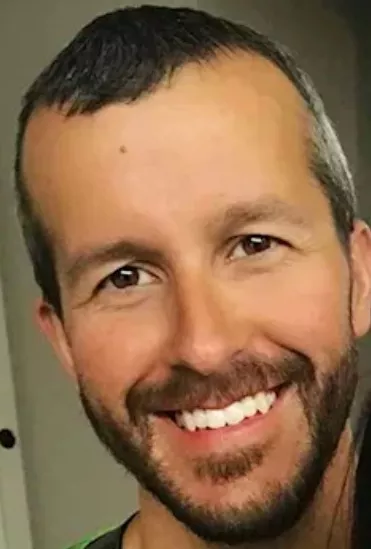
The Chris Watts Family Murders: The Disturbing True Story of the Annihilation of Shanann, Bella, and Celeste
Dossier - International Homicide / United States The Chris Watts Family Murders: The Disturbing True Story of the Annihilation of Shanann, Bella, and Celeste Publication: Editorial Team Moordplekken | Date: November 9, 2026 | Source: Colorado Bureau of Investigation (CBI), Weld County District Attorney’s Office, Investigative Records In August 2018, the disappearance of a pregnant woman and her two young daughters from their home in Frederick, Colorado, shocked the United States. At first, the case appeared to be a desperate search for a missing family. Their husband and father, Chris Watts, publicly pleaded for their safe return. But behind the carefully presented image of a concerned husband and father was a far more disturbing reality. Within days, investigators discovered that all four had been brutally murdered by Chris Watts himself—a betrayal that became one of the most widely discussed family murder cases in recent American history. The Victims: Shanann, Bella, Celeste, and Unborn Nico Shanann Cathryn Watts (34) lived in Frederick with her husband Chris and their two daughters. She worked as an independent promoter for Le-Vel, and her active social media presence often portrayed a close-knit family enjoying a comfortable suburban life. Her daughters, Bella (born December 2013) and Celeste (born July 2015), were central to her online posts and were described by family as affectionate and energetic children. At the time of the murders, Shanann was approximately 15 weeks pregnant with the couple’s third child, a boy named Nico. His death meant that four lives were lost in the same crime. To friends and acquaintances, the Watts family gave little indication of the violence that would soon come to light. A Marriage in Crisis and a Hidden Affair Although the family appeared happy in public, they had filed for bankruptcy in 2015. During the months leading up to the murders, Shanann became increasingly concerned about Chris’s emotional distance. Messages between the couple showed her trying to understand why he seemed withdrawn and less affectionate. Meanwhile, Chris had begun an affair with Nichol Kessinger, a woman he met through his employment at Anadarko Petroleum. He told Kessinger his marriage was effectively over. Financial difficulties, marital problems, and his desire to pursue this new relationship have all been discussed as contributing factors—though none justify the horrific actions he was about to take. August 13, 2018: The Murders Shanann returned home from a business trip in Arizona at approximately 1:48 a.m. on August 13, dropped off by her colleague Nickole Atkinson. It would be the last time she was seen alive. According to surveillance footage, digital records, and Chris’s own later accounts, the following nightmare unfolded: The Strangulation: Chris admitted that he strangled Shanann in their bedroom following an argument. The Drive: He placed Shanann's body in his work truck, then put Bella and Celeste—both still alive—into the vehicle. He drove them to the Cervi 3-19 oil site operated by Anadarko. The Children's Deaths: At the site, Chris smothered Celeste with a blanket. Bella witnessed this. According to Chris, Bella pleaded, "Please, Daddy, don't do to me what you just did to Cece," before he murdered her as well. The Concealment: Chris buried Shanann in a shallow grave and callously shoved the bodies of Bella and Celeste through the narrow openings of two separate crude oil storage tanks. The Investigation and the False Confession When Shanann missed a medical appointment later that morning, Nickole Atkinson contacted the police. Chris feigned ignorance, and on August 14, he gave a televised interview pleading for his family's return. However, a neighbor’s security camera showing Chris backing his truck into the garage contradicted his narrative. Furthermore, Nichol Kessinger contacted the police on August 15, exposing his affair. Chris agreed to a polygraph examination, which indicated deception. Confronted by investigators, he offered a fabricated first confession: he claimed Shanann had killed the girls, and he strangled her in a rage upon seeing it on a baby monitor. Investigators did not accept this false narrative, which cruelly attempted to shift the blame to his murdered wife. On August 15, Chris was arrested and revealed the location of the bodies. Autopsies confirmed Shanann died by strangulation, while Bella and Celeste died from asphyxiation caused by smothering. The Guilty Plea and Final Confession To avoid a full murder trial, Chris Watts pleaded guilty on November 6, 2018. On November 19, he was sentenced to five life sentences without the possibility of parole, plus an additional 84 years in prison. In a February 2019 prison interview, Chris finally abandoned his false narrative, officially admitting he had murdered Shanann and both children himself. He is currently serving his life sentence at Dodge Correctional Institution in Waupun, Wisconsin. The Watts case remains a tragic reminder that carefully curated public appearances can conceal realities far darker than anyone might imagine. Gerelateerde artikelenThe Murder of JonBenét Ramsey: Inside America's Most Infamous Unsolved Child HomicideThe Zodiac Killer: The Unsolved Mystery of America's Most Infamous Serial KillerThe Tragic Murder of Javits Frimpong: 15-Year-Old Ghanaian Student Shot Dead in the Bronx
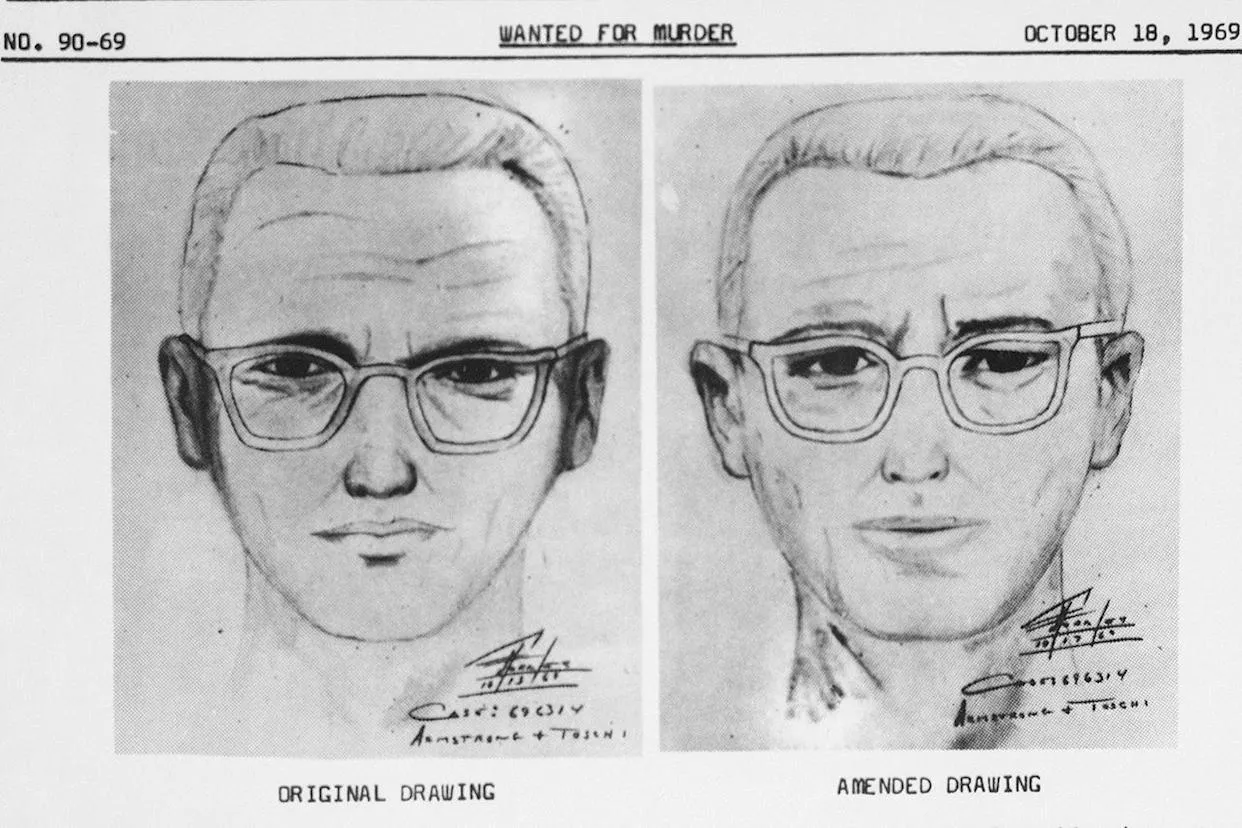
The Zodiac Killer: The Unsolved Mystery of America's Most Infamous Serial Killer
Dossier - Cold Cases / International The Zodiac Killer: The Unsolved Mystery of America's Most Infamous Serial Killer Publication: Editorial Team Moordplekken | Date: November 9, 2026 | Source: FBI Vault / Historical Police Records / Investigative Files It is a name synonymous with terror, taunts, and an enduring cryptographic mystery. Operating in Northern California between late 1968 and late 1969, the "Zodiac" became one of the most infamous unidentified serial killers in American criminal history. He did not just murder people in cold blood; he turned his crimes into a real-time, interactive public spectacle. By mailing bloodstained evidence, chilling threats, and complex ciphers to local newspapers, he mocked law enforcement and gripped the San Francisco Bay Area in sheer panic. Despite claiming 37 victims, only five murders are officially confirmed. Decades later, his identity remains unknown. The Victims Behind the Headlines Although the Zodiac Killer became notorious for his cryptic letters and theatrical threats, the case began with the lives of seven ordinary people. Five were murdered, while two survived attacks that would permanently change their lives. David Faraday (17) and Betty Lou Jensen (16): Teenagers whose lives were cut short during an evening date on December 20, 1968. Their deaths on Lake Herman Road marked the beginning of the series of murders later attributed to the Zodiac. Betty Lou was attempting to escape when she was shot in the back. David was found near the couple's vehicle with a fatal gunshot wound to his head. Darlene Ferrin (22) and Michael Mageau (19): Darlene was a young wife and mother who worked as a waitress. She was spending the evening of July 4–5, 1969 with her friend Michael when the attacker approached their parked vehicle at Blue Rock Springs Park. Mageau survived despite being seriously wounded. His account became one of the earliest eyewitness descriptions associated with the investigation. Cecelia Shepard (22) and Bryan Hartnell (20): College students enjoying an afternoon at Lake Berryessa on September 27, 1969, when they were approached by a masked attacker. Unlike the previous shootings, this assault involved a knife and a distinctive hooded costume. Both were stabbed repeatedly. Hartnell survived and provided a detailed account; Shepard died two days later. Paul Stine (29): A taxi driver whose October 11, 1969 murder demonstrated that the attacker was not exclusively targeting young couples. He was working in San Francisco when a passenger shot him inside his cab. The murder took place in a residential neighborhood, and the subsequent police response became one of the most controversial aspects of the investigation. The Possible Additional Victims The five confirmed murders may not represent the full extent of the Zodiac Killer's activities. Over the years, investigators and independent researchers have examined several other crimes that could potentially be connected to him. However, these connections remain unproven, and none of the following individuals should be included in the confirmed Zodiac victim count: Cheri Jo Bates (1966): Murdered approximately two years before the first confirmed Zodiac attack in Riverside, California. A letter known as "The Confession" contained details about the killing. However, the Riverside Police Department treats the Bates murder as a separate investigation, and in 2016, an individual admitted that an anonymous Zodiac-style letter sent regarding the case was a fabricated hoax. Kathleen Johns (1970): Abducted on Highway 132 near Modesto by a man who tampered with her car wheel and offered her a ride. She escaped with her infant daughter. A July 1970 Zodiac letter claimed responsibility for an abduction, but no conclusive evidence established he was the culprit. Donna Lass (1970): A 25-year-old registered nurse who disappeared in South Lake Tahoe. A March 1971 postcard sent to the San Francisco Chronicle referenced "Victim 12" and "Peek through the pines," leading to Zodiac speculation. Her remains were found in 1986 and positively identified via DNA in 2023, but police confirm no definitive connection to the Zodiac Killer has been established. The Investigation: A Case Spanning Multiple Police Departments The investigation was complicated by the fact that the confirmed attacks occurred across several jurisdictions, involving authorities in Benicia, Vallejo, Napa County, and San Francisco, with forensic support from the FBI. The original investigation took place before modern DNA profiling became widely available, meaning evidence—fingerprints, handwriting, ballistics, and biological material—has suffered from age, deterioration, and contamination. The murder of Paul Stine provided an unusually valuable opportunity. Several witnesses observed the suspect, and officers were dispatched to the neighborhood. However, an incorrect description was initially transmitted over police radio, stating officers should look for a Black male. Two officers encountered a white man matching the corrected description but did not stop him—one of the most significant missed opportunities in the entire investigation. The Suspect's Physical Description Based on the Presidio Heights eyewitness accounts, police characterized the suspect as a white male, approximately 35–45 years old, around 5 feet 8 inches tall, with a heavy or stocky build, short brown or reddish-brown hair (possibly a crew cut), wearing dark-framed glasses. At Lake Berryessa, survivor Bryan Hartnell also observed brown hair through the eye openings of the attacker's hood. A distinctive set of shoe impressions was documented at Lake Berryessa, associated with Wing Walker-style footwear around size 10.5. However, this footwear evidence should not be confused with a verified shoe size for the killer, as investigators could not firmly establish that a particular suspect owned the specific shoes. The Letters and Ciphers That Haunted Investigators On July 31, 1969, three identical letters were mailed to Bay Area newspapers (received August 1), demanding front-page publication. The successful decryption of the Zodiac's first two ciphers provided insight into his twisted communications, but neither revealed his identity. The Z408 Cipher: Solved in 1969, the message expressed the writer's apparent enjoyment of murder and contained a disturbing fantasy about collecting victims as slaves in the afterlife, referencing the 1924 short story The Most Dangerous Game. The Z340 Cipher: Solved in December 2020 by David Oranchak, Sam Blake, and Jarl Van Eycke. The message was primarily a taunt: "I HOPE YOU ARE HAVING LOTS OF FUN IN TRYING TO CATCH ME... THAT WASN'T ME ON THE TV SHOW." The significance of the breakthrough was cryptographic rather than investigative; the identity of the murderer remained unknown. The Z13 and Z32 Ciphers: These remaining ciphers have not produced an accepted solution. The Zodiac's correspondence extended far beyond these famous ciphers, attempting to provoke law enforcement and the public: The Melvin Belli Letter (December 20, 1969): Sent to the prominent attorney in a distressed tone, asking for help and claiming he was losing control. It contained another piece of Paul Stine's bloody shirt. The Little List Letter (July 26, 1970): Contained a rewritten version of a song from The Mikado about a list of people who would be punished. The Halloween Card (October 27, 1970): Sent to journalist Paul Avery featuring a skull-like image, the words "By Fire, By Gun, By Rope, By Knife," and the phrase "From your secret pal." The Exorcist Letter (January 29, 1974): The writer described the film The Exorcist as a comedy and repeated his running scoreboard ("Me = 37, SFPD = 0"). This communication is generally regarded as the last widely accepted authentic Zodiac letter. The Suspects: A Half-Century Hunt Arthur Leigh Allen: The Suspect Who Never Faced ChargesArthur Leigh Allen remains one of the most discussed individuals in the history of the investigation. One of the most frequently mentioned details was his ownership of a Zodiac-brand wristwatch featuring the crossed-circle symbol. However, the watch was a commercially available product. Investigators examined Allen's fingerprints, handwriting, and potential DNA evidence. The results did not produce a conclusive link. A partial DNA profile from a Zodiac letter envelope was reportedly inconsistent with Allen, though the provenance of the biological sample has been questioned. Allen died on August 26, 1992, without being charged with any of the Zodiac murders. Gary Francis Poste: The 2021 Identification ClaimIn October 2021, an independent investigative group known as The Case Breakers publicly announced they believed Gary Francis Poste was the Zodiac Killer. The group argued physical characteristics, including scars on Poste's forehead, corresponded with features in the police sketch. The FBI's San Francisco office stated that the case remained open and that it had no new information to share. The claims made by The Case Breakers have not produced a publicly established forensic identification. Poste died in 2018 and remains an individual proposed by independent researchers, not an officially identified suspect. The Unanswered Questions: Why Was the Zodiac Never Caught? More than five decades after the confirmed murders, fundamental questions remain. Did the Zodiac kill 37 people as he claimed, or just the confirmed five? Why did the murders stop after October 1969, even as the letters continued until 1974? Is the killer still alive, or did he die, move away, or go to prison for another crime? As of November 2026, no individual has been officially identified or convicted as the Zodiac Killer. The FBI's historical investigative records remain publicly accessible through the FBI Vault. The successful decoding of the Z340 cipher in 2020 demonstrated that important discoveries can still emerge decades later. The Zodiac Killer left behind a trail of murders, letters, and cryptograms that transformed a series of local crimes into one of the most notorious investigations in American history. More than half a century later, one question continues to define the case: Who was the Zodiac Killer? Primary Sources & Case Documentation FBI Vault: Original investigative documents and forensic records. Riverside Police Department: Cheri Jo Bates investigation records. South Lake Tahoe Police Department: Donna Lass disappearance and identification. Oranchak, Blake & Van Eycke: The Solution of the Zodiac Killer's 340-Character Cipher (Scientific explanation of Z340). HISTORY: Zodiac Timeline (Historical chronology). The Washington Post: 2020 cipher breakthrough reporting. ABC News: Gary Francis Poste independent suspect claims and official response. The Zodiac Archive: Letters, ciphers, and historical correspondence. Gerelateerde artikelenThe Murder of JonBenét Ramsey: Inside America's Most Infamous Unsolved Child HomicideThe Brutal Murder of Junko Furuta: The Gruesome 40-Day Nightmare That Changed Japanese Criminal Law ForeverThe Jeffrey Dahmer Dossier: A Comprehensive Overview of the Murders, Trial, and Institutional Failures
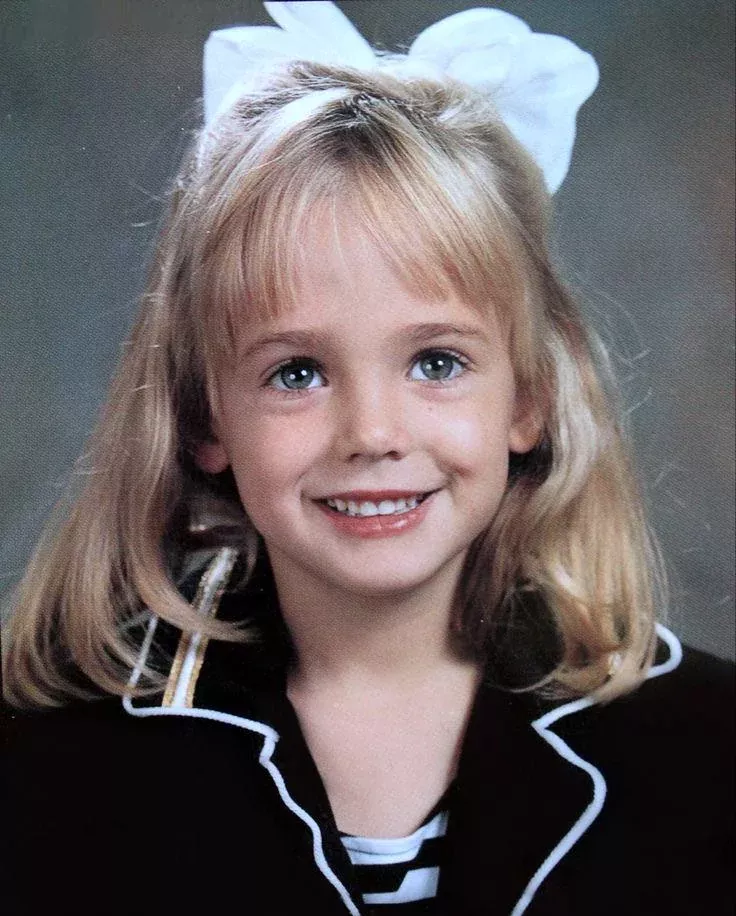
The Murder of JonBenét Ramsey: Inside America's Most Infamous Unsolved Child Homicide
Dossier - Cold Cases / International The Murder of JonBenét Ramsey: Inside America's Most Infamous Unsolved Child Homicide Publication: Editorial Team Moordplekken | Date: November 4, 2026 | Source: Historical Records / Boulder Police Department / Investigative Files It is a case that has captivated and confounded the world for nearly three decades. On the morning of December 26, 1996, the wealthy, picturesque town of Boulder, Colorado, became the epicenter of a true-crime phenomenon. Six-year-old JonBenét Ramsey, a prominent participant in children's beauty pageants, was reported missing after a bizarre ransom note was found in her home. Hours later, her father made a horrifying discovery in the basement. The supposed kidnapping was a brutal murder, launching an investigation defined by compromised evidence, fierce institutional battles, and a mystery that remains officially unsolved today. Christmas Night and a Botched Crime Scene JonBenét Patricia Ramsey lived a life of privilege in a sprawling 15-room mock-Tudor home with her father, John (a wealthy software executive), her mother, Patsy (a former beauty queen), and her 9-year-old brother, Burke. On Christmas night, the family returned home from a holiday dinner, and JonBenét was reportedly carried up to bed asleep. At 5:52 AM the following morning, a frantic Patsy Ramsey called 911 to report her daughter missing, stating she had found a three-page handwritten ransom note on the kitchen staircase. What followed was a cascade of procedural errors. Believing they were dealing with a standard kidnapping, responding Boulder Police Department (BPD) officers failed to secure the house. Family friends and victim advocates freely roamed the property, unwittingly destroying potentially crucial forensic evidence. The fatal blow to the crime scene's integrity occurred at 1:00 PM, when a detective asked John Ramsey and a family friend to search the house for "anything unusual." John headed straight to the basement, opened the door to a windowless wine cellar, and found his daughter's lifeless body. In a state of shock, he lifted her, removed the duct tape from her mouth, and carried her upstairs to the living room, forever altering the primary crime scene.Photo: Jahnaiyabonaparte – JonBenét Ramsey's family home in Boulder, Colorado. Source: [Wikimedia Commons](https://commons.wikimedia.org/wiki/File:Picture_for_Seminar.jpg). Licensed under [CC BY-SA 4.0](https://creativecommons.org/licenses/by-sa/4.0/). No modifications made. The Bizarre Evidence: The Ransom Note and The Garrote The evidence found inside the Ramsey home was deeply confounding, pointing in wildly different directions: The Ransom Note: Written on a notepad belonging to Patsy Ramsey with a Sharpie from the kitchen, the unusually verbose three-page note demanded exactly $118,000—a figure that perfectly matched the exact net amount of John Ramsey's recent corporate bonus. The writer claimed to be a "small foreign faction." Handwriting experts excluded John but could not definitively eliminate Patsy, though this has never been proven in court. The Autopsy: JonBenét suffered an incredibly violent assault. Her official cause of death was asphyxia by strangulation associated with craniocerebral trauma. She had suffered a massive 8.5-inch skull fracture from a blunt object. Most disturbingly, she was strangled using a sophisticated garrote constructed from a nylon cord and a broken wooden paintbrush handle—taken from Patsy's art supplies. There was also clear evidence of sexual assault. The Family vs. The Intruder Theory For years, a bitter divide existed between those who believed the family was involved in a cover-up and those who believed a sadistic intruder broke into the home. The BPD heavily investigated the parents, theorizing an accidental head injury (perhaps by a family member) led to a staged kidnapping to protect the family. In 1999, a secret grand jury actually voted to indict John and Patsy on charges of child abuse resulting in death, but the District Attorney refused to sign it, citing insufficient evidence. Conversely, defense investigators pointed to physical evidence of an intruder: an open basement window, an unidentified Hi-Tec boot print near the body, and foreign fibers. Most importantly, forensic testing in 1997 and advanced "touch DNA" testing in 2008 revealed an unknown male's DNA (labeled UM1) in JonBenét's underwear. This DNA did not match anyone in the Ramsey family. Based on this, District Attorney Mary Lacy formally cleared the Ramsey family in 2008 and issued a public apology. Sadly, Patsy Ramsey had passed away from ovarian cancer two years prior. False Confessions and Modern Forensic Hope The case has seen its share of false hope. In 2006, a former schoolteacher named John Mark Karr falsely confessed to the murder in Thailand, but he was cleared when his DNA did not match the crime scene. Over the years, media outlets have faced massive defamation lawsuits—including a $750 million suit successfully settled by Burke Ramsey against CBS—for broadcasting unproven theories accusing family members. Today, the hunt for the killer of JonBenét Ramsey continues. Spurred by intense public pressure, the Boulder Police Department, alongside the FBI and the Colorado Cold Case Review Team, initiated a fresh, massive review of the 1-million-page case file in 2023. As of 2025 and 2026, authorities confirm that un-sequenced physical evidence is undergoing Forensic Genetic Genealogy (FGG) testing—the same technology used to catch the Golden State Killer—in a desperate bid to trace the unknown male DNA profile and finally bring a monster to justice.Photo: Taurusrus (Panoramio). Description: JonBenét Ramsey's grave at Saint James Episcopal Cemetery in Marietta, Georgia. Source: [Wikimedia Commons](https://commons.wikimedia.org/wiki/File:JonBen%C3%A9t_Ramsey_grave.jpg). Licensed under [Creative Commons Attribution-ShareAlike 3.0 Unported (CC BY-SA 3.0)](https://creativecommons.org/licenses/by-sa/3.0/). No modifications made. Gerelateerde artikelenThe Brutal Murder of Junko Furuta: The Gruesome 40-Day Nightmare That Changed Japanese Criminal Law ForeverThe Jeffrey Dahmer Dossier: A Comprehensive Overview of the Murders, Trial, and Institutional Failures
The Tragic Murder of Javits Frimpong: 15-Year-Old Ghanaian Student Shot Dead in the Bronx
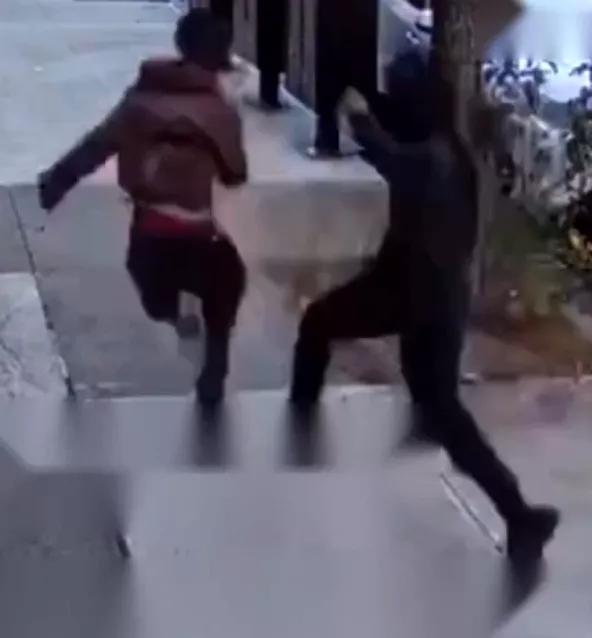
Dossier - International Homicide / New York The Tragic Murder of Javits Frimpong: 15-Year-Old Ghanaian Student Shot Dead in the Bronx Publication: Editorial Team Moordplekken | Date: November 4, 2026 | Source: NYPD / Investigative Reports / Local Media Fifteen-year-old Javits Frimpong had crossed the Atlantic Ocean with a singular dream: to build a brighter future, receive a world-class education, and ultimately fulfill his aspiration of becoming a medical doctor. Exactly one year after arriving in the United States from Ghana to live with his father in New York, his young life was violently cut short. Ambushed by three masked individuals while walking to school in the Bronx, Javits became the victim of a senseless shooting that has sparked international outrage, diplomatic intervention, and an intensive police manhunt. A Young Life Rooted in Ambition Born Javits Badu Nkansah Frimpong, the 15-year-old sophomore was enrolled at DreamYard Preparatory School in the Bronx. Having immigrated in late October 2025 to reunite with his father, Thomas Frimpong—a 60-year-old NYC taxi driver—Javits quickly established a reputation among teachers and classmates as a remarkably clever, quiet, and humble student. Diary entries shared by his family painted a picture of a shy teenager who cherished books, loved nature, and kept a low profile. Tragedy struck on the morning of Thursday, October 29, 2026, shortly before 9:30 AM EST. As Javits walked along his routine route to school near East 171st Street and Crotona Place in the Claremont section of the Bronx, his path crossed with absolute terror. The Ambush and Desperate Pursuit According to NYPD Chief of Detectives Joseph Kenny, three suspects wearing black hoodies and blue surgical masks to conceal their identities were lying in wait or operating in the vicinity of Crotona Park. Upon noticing them, Javits instinctively fled. The trio pursued him relentlessly. During the harrowing chase, Javits dropped his backpack—which was subsequently taken by an unrelated passerby and remains unrecovered. He was shot in the back/abdomen during the pursuit. Despite his critical injuries, the brave teenager managed to run approximately one block before collapsing against a stone wall on East 171st Street. Responding police officers rushed him to St. Barnabas Hospital in a patrol vehicle, but despite initial stabilization efforts, Javits succumbed to his wounds later that afternoon. Active Police Theories and Investigation As of early November 2026, the NYPD has made no arrests, and the three teenage suspects remain at large. Investigators recovered chilling evidence showing that the killers returned to the crime scene post-shooting to collect their fired shell casings before fleeing into the Freeman Street subway station to board a Manhattan-bound No. 5 train. The NYPD is actively probing three primary angles: School Bullying Escalation: Days prior to his murder, Javits was involved in a school altercation where school administration confirmed he was defending himself, resulting in suspensions for two other students. Detectives are subpoenaing Department of Education records to investigate a potential retaliatory link. Mistaken Identity Gang Violence: Investigators are checking whether local gang factions mistook Javits for a rival, though police emphasize there is zero evidence linking Javits to any gang activity. Armed Robbery: The possibility that the chase initiated as a street robbery gone fatally wrong is also being evaluated. International Diplomatic Escalation & Mother's Arrival The tragedy quickly transcended local borders into international diplomacy. Javits’ mother, Madam Doris Adu Gyamfi, remained in Ghana and initially faced severe bureaucratic visa hurdles due to tight US immigration caps. Following a direct telephone intervention by New York City Mayor Zohran Mamdani with President Donald Trump, emergency travel restrictions were bypassed, granting her an immediate visa. Backed by full financial and logistical support from the Ghanaian government—led by President John Mahama—she arrived in New York on November 4, 2026, issuing a heartbreaking public plea: "I want justice for my son, that is all." Meanwhile, the student body at DreamYard Preparatory School staged a massive walkout and memorial on November 2, demanding safer streets and an end to gun violence. As the NYPD continues its manhunt, anyone with information is urged to contact NYPD Crime Stoppers at 1-800-577-TIPS. Gerelateerde artikelenThe Brutal Murder of Junko Furuta: The Gruesome 40-Day Nightmare That Changed Japanese Criminal Law ForeverThe Jeffrey Dahmer Dossier: A Comprehensive Overview of the Murders, Trial, and Institutional Failures

The Brutal Murder of Junko Furuta: The Gruesome 40-Day Nightmare That Changed Japanese Criminal Law Forever
Dossier - Cold Cases / International The Brutal Murder of Junko Furuta: The Gruesome 40-Day Nightmare That Changed Japanese Criminal Law Forever Publication: Editorial Team Moordplekken | Date: November 4, 2026 | Source: Historical and legal reconstructions / Court records On Friday, November 25, 1988, 17-year-old Junko Furuta was cycling home, completely unaware of the horror awaiting her after an evening shift at her part-time job in Misato (Saitama). She was an ordinary, ambitious high school senior preparing for graduation, dreaming of her future, and completely disconnected from the criminal underworld. Yet, her path tragically crossed with a ruthless group of local youths that night. What began as a cunning abduction on the street degenerated into a captivity lasting over forty days. It would go down in history as one of the most abhorrent crimes ever committed in Japan: 'The Concrete-Encased High School Girl Murder Case'. The Ambush and the Abduction The instigator of the tragedy was 18-year-old Hiroshi Miyano, accompanied by 16-year-old Shinji Minato. The duo was specifically looking for a victim that evening. While Furuta was cycling home, Minato intentionally kicked her off her bicycle and fled the scene. Miyano then emerged from the shadows, cunningly playing the role of a concerned, helpful bystander. He gained her trust by offering to escort her home safely. His helpfulness was a trap. As soon as he had isolated her, Miyano revealed his true intentions. Under severe threats—claiming to have ties with the dangerous yakuza (the Japanese mafia) and threatening to harm her family—Furuta was abducted. She was eventually taken to a room on the second floor of Minato's family home in the Ayase neighborhood of Adachi Ward, Tokyo. Forty Days in a Living Hell The most chilling aspect of this atrocity was its seemingly normal setting. Furuta was not hidden in a remote forest or an abandoned factory, but in an ordinary family home in a densely populated residential area in Tokyo. Starting in the early hours of November 26, a forty-day period began in which she was subjected to indescribable physical and psychological cruelties. Alongside Miyano and Minato, the core of the group consisted of 17-year-old Jō Ogura and 16-year-old Yasushi Watanabe. The group systematically subjected Furuta to extreme sexual violence, brutal beatings with various objects, and severe degradation. As the weeks passed, she was deliberately starved, dehydrated, and repeatedly burned with fire and cigarettes. Her physical condition deteriorated so severely that she could no longer stand on her own feet. Failed Supervision and Fatal Apathy To thwart a large-scale police investigation, the perpetrators forced Furuta to call her home. While held at gunpoint, she had to tell her parents that she had run away, that she was safe, and that they should not involve the police. The absolute nadir of societal apathy in this case was the presence of Shinji Minato's parents. They lived in the same house during large parts of the captivity. Although aware of the presence and the deplorable condition of the girl on the second floor, they did not intervene and never called the police. They later stated that they were too terrorized by their own son and his violent, yakuza-affiliated group of friends to take any action. The Murder and the Macabre Dump in Wakasu In the first days of January 1989, Furuta's body neared its breaking point. Her organs were failing, and she suffered from severe internal bleeding and infections. On January 4, 1989, the violence escalated for a final time. Reportedly out of sheer frustration after losing a game of mahjong, the perpetrators vented their anger with heavy weights and flames on the severely weakened 17-year-old. After an hours-long torture session, Junko Furuta died from the resulting traumatic shock and extensive injuries. In blind panic, the perpetrators decided to make the body disappear. They forced her lifeless remains into a large 55-gallon oil drum and filled it with wet concrete. Using a rented truck in the dead of night, they transported the extremely heavy drum to an industrial landfill in Wakasu, a reclaimed land area in Tokyo's Kōtō Ward. Discovery and Massive Public Outrage It wasn't until nearly three months later, in March 1989, that the case came to light. Miyano and Ogura were arrested by the police for a separate, unrelated gang rape. During the interrogations, their statements contradicted each other, and one of the perpetrators eventually cracked, confessing to the murder of the 'missing high school girl'. On March 29, 1989, detectives excavated the oil drum in Wakasu, exposing the gruesome facts of the 'Concrete-Encased High School Girl Murder Case' to the world. Because all perpetrators were under the age of 20 at the time of the crime, they fell under Japan's highly lenient Juvenile Act, which focused heavily on rehabilitation and reintegration rather than severe retribution. In July 1991, the Tokyo High Court sentenced the perpetrators to the following terms: Hiroshi Miyano (Main Suspect): 20 years in prison (the maximum juvenile sentence at the time). Jō Ogura: 5 to 10 years in prison. Shinji Minato: 5 to 9 years in prison. Yasushi Watanabe: 5 to 7 years in prison. A Failing System: The Perpetrators Strike Again The public anger over these—in the eyes of the people, bizarrely lenient—sentences was unprecedented and ultimately forced Japanese politicians to significantly tighten the age of criminal responsibility and juvenile criminal law. The fact that the 'rehabilitation' of the four completely failed became painfully clear later on. After his release, perpetrator Shinji Minato was arrested again in August 2018, this time for attempted murder during an armed road-rage dispute. Jō Ogura had already been arrested in 2004 for kidnapping and assault, and died in solitude in his apartment in 2022. Yasushi Watanabe died in 2021 after years of social isolation. The murder of Junko Furuta remains one of the most traumatic scars on Japanese society. It has become a chilling symbol of the disastrous consequences of silent bystanders, lethal youth gang violence, and a criminal justice system that failed to protect an innocent victim. To this day, flowers are regularly left at Wakasu Park to remember the 17-year-old girl who was forgotten by the world for forty agonizing days. Gerelateerde artikelenThe Jeffrey Dahmer Dossier: A Comprehensive Overview of the Murders, Trial, and Institutional Failures
The Jeffrey Dahmer Dossier: A Comprehensive Overview of the Murders, Trial, and Institutional Failures
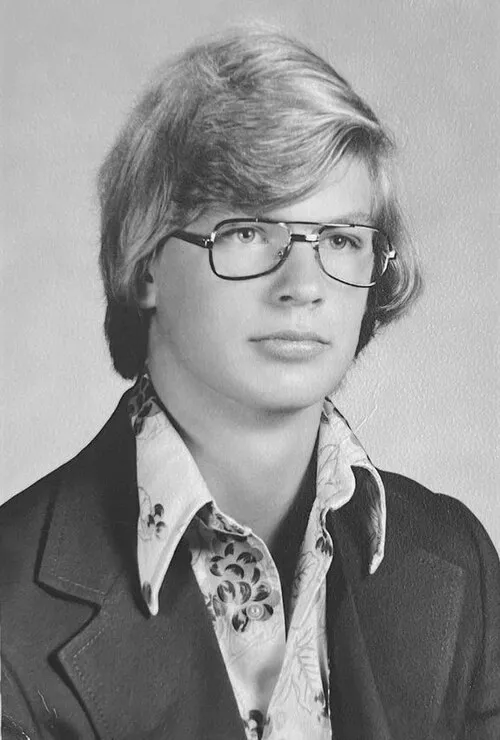
International Crime & Legal Dossier THE JEFFREY DAHMER DOSSIER: A COMPREHENSIVE OVERVIEW OF THE MURDERS, TRIAL, AND INSTITUTIONAL FAILURES Publication: Moordplekken Newsdesk | Date: November 3, 2026 | Source: FBI Records / Wisconsin Circuit Court / State of Ohio Court Records / U.S. Commission on Civil Rights Between 1978 and 1991, American serial killer Jeffrey Lionel Dahmer confessed to murdering seventeen young men and teenage boys in Ohio and Wisconsin. The uncovering of his crimes on July 22, 1991, sent shockwaves through the United States, exposing not only unprecedented acts of violence but also critical systemic failures within law enforcement. This dossier details the established court findings, forensic analyses, and official investigations surrounding the case. Background and Initial Offenses Jeffrey Dahmer was born on May 21, 1960, in Milwaukee, Wisconsin. He committed his first murder at age eighteen in June 1978, killing Steven Hicks at his parents' home in Bath Township, Ohio. Following a brief enrollment at Ohio State University and service in the United States Army in West Germany, Dahmer relocated to Milwaukee. In 1988, Dahmer was convicted of sexual battery involving a 13-year-old boy in Milwaukee and received a prison sentence with work-release privileges followed by probation. The victim was the older brother of Konerak Sinthasomphone, a boy Dahmer would later murder in 1991. The lenient handling of Dahmer's 1988 conviction and probation supervision later drew severe public and legal criticism. Chronological Record of the Seventeen Victims Official court documents and FBI forensic registries identify seventeen victims linked to Dahmer: Victim Name Age Year & Case Notes Steven Hicks 18 1978 (Ohio); Dahmer's first victim; tried separately in Ohio. Steven Tuomi 24 1987; Confessed by Dahmer, uncharged due to unrecovered remains. Jamie Doxtator 14 1988 (Milwaukee). Richard Guerrero 25 1988 (Milwaukee). Anthony Sears 26 1989 (Milwaukee). Raymond Smith (Ricky Beeks) 33 1990 (Milwaukee). Edward W. Smith 28 1990 (Milwaukee). Ernest Miller 22 1990 (Milwaukee). David C. Thomas 23 1990; Identified in part via photographic evidence. Curtis Straughter 18 1991 (Milwaukee). Errol Lindsey 19 1991 (Milwaukee). Anthony "Tony" Hughes 31 1991; Deaf victim who communicated via written notes. Konerak Sinthasomphone 14 1991; Returned to Dahmer by police hours before his death. Matt Turner (Donald Montrell) 20 1991 (Milwaukee). Jeremiah Weinberger 23 1991 (Milwaukee). Oliver Lacy 23 1991 (Milwaukee). Joseph Bradehoft 25 July 1991; Final victim. Modus Operandi and Forensic Investigation Dahmer targeted young men primarily in bars, bus depots, and shopping centers, offering them money for modeling photos or drinks to lure them to his apartment. Once inside, he administered sedatives into their beverages before incapacitating and strangling them. Following the murders, Dahmer engaged in dismemberment, necrophilia, and efforts to destroy physical evidence using chemicals and equipment. The FBI Laboratory assisted local authorities with complex DNA, chemical, tool-mark, and biological evidence evaluations to identify remains and establish physical links. The Konerak Sinthasomphone Incident and Police Misconduct On May 27, 1991, 14-year-old Konerak Sinthasomphone escaped from Dahmer's apartment into the street, naked, drugged, and bleeding. Local bystanders called emergency services and tried to protect the boy. However, when Milwaukee police officers arrived, Dahmer convinced them that Sinthasomphone was his 19-year-old adult domestic partner experiencing an alcoholic dispute. Despite warnings from bystanders and the youth's obvious incapacity, officers escorted the boy back into Dahmer's apartment and left. Dahmer murdered Sinthasomphone shortly after the officers departed. The incident triggered massive civil rights investigations and civil lawsuits against the city and officers involved. Discovery, Arrest, and Trial Dahmer's crime spree ended on July 22, 1991, when Tracy Edwards escaped from Apartment 213 at the Oxford Apartments with a pair of handcuffs dangling from his wrist. Edwards flagged down police officers, leading them back to the unit. Upon inspection, officers discovered photographic evidence of dismemberment and human remains belonging to eleven victims. In January 1992, Dahmer pleaded guilty but insane to fifteen counts of murder in Wisconsin. On February 15, 1992, the jury found that Dahmer was legally sane at the time of the offenses. He was sentenced to fifteen consecutive life terms in Wisconsin, followed by a sixteenth life sentence in Ohio for the murder of Steven Hicks. Prison Death and Societal Legacy On November 28, 1994, while serving his sentence at the Columbia Correctional Institution in Portage, Wisconsin, Dahmer was bludgeoned to death by fellow inmate Christopher Scarver. The Dahmer case remains a critical case study in American legal and police history, highlighting severe issues regarding institutional bias, systemic neglect of marginalized communities, and the legal parameters surrounding mental sanity in criminal trials. Key Summary: The Jeffrey Dahmer Case Offender: Jeffrey Lionel Dahmer (May 21, 1960 – November 28, 1994) Victims: 17 young men and teenage boys (1978–1991) Primary Location: Milwaukee, Wisconsin (Apartment 213, Oxford Apartments) Arrest Date: July 22, 1991 (following escape of Tracy Edwards) Legal Outcome: Convicted of 16 murders; sentenced to 16 consecutive life terms Sanity Ruling: Jury determined offender was legally sane at time of crimes Manner of Death: Killed in prison by inmate Christopher Scarver on November 28, 1994 Primary Sources: FBI Records, Wisconsin Circuit Court, U.S. Commission on Civil Rights